If you’ve ever paid for an influencer partnership and gotten back footage that made you wince, you already know the problem this article is about. UGC from influencers can be genuinely great — or it can be an unusable pile of shaky phone clips that technically features your product for about half a second. The difference usually comes down to a few things most brands don’t think through before the deal is signed.
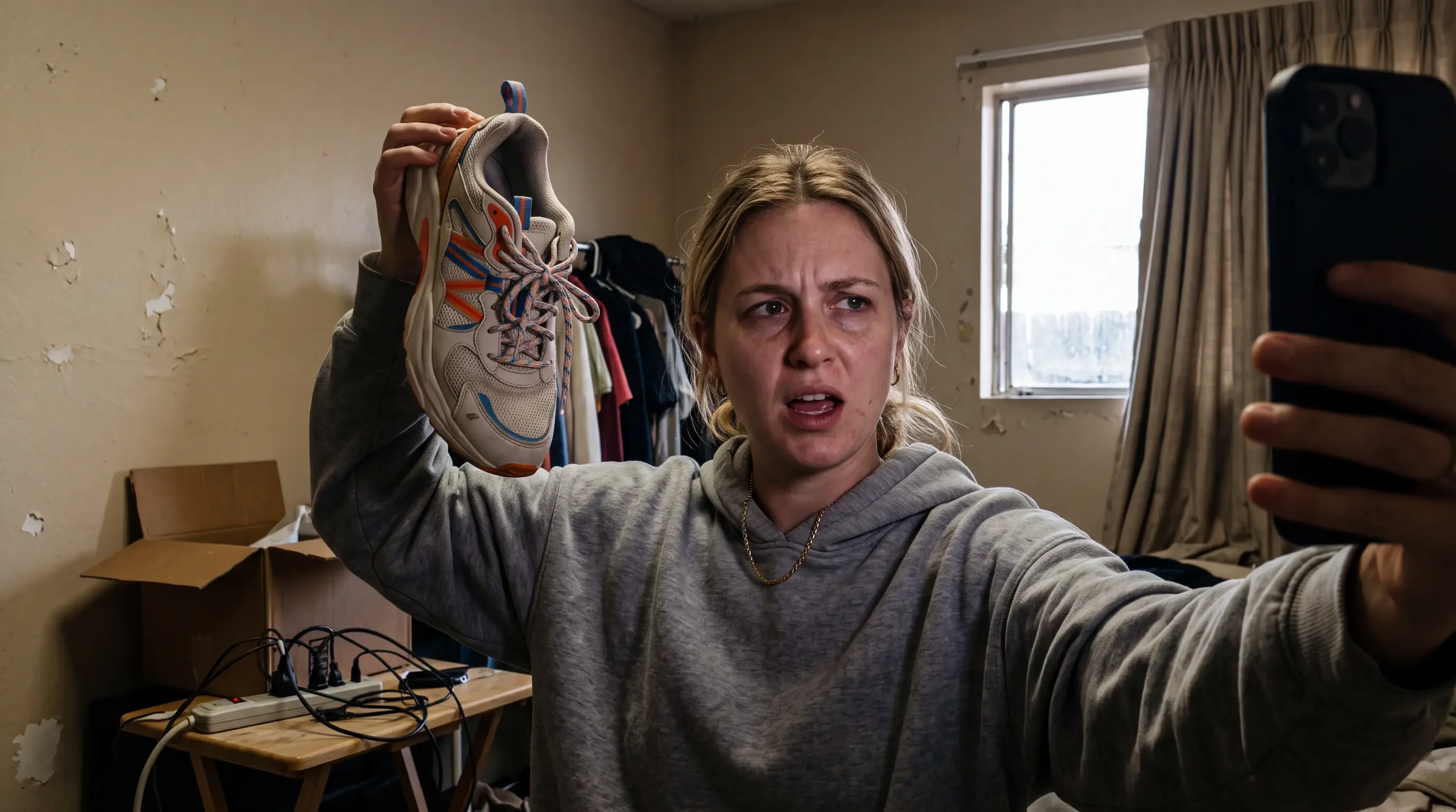
WHY SO MUCH INFLUENCER UGC UNDERPERFORMS
Most influencers built their following sharing pieces of their own life on their phone — which makes them good at being watchable, but it doesn’t automatically make them good at composition, lighting, or framing a product so it actually registers. If someone’s watching a clip and their eyes are locked on the influencer’s face the whole time, never landing on the product even for a second, that impression is doing basically nothing for you. Whether someone’s watching with the sound off, scrolling fast, or half paying attention, the visual is doing almost all the work — subtly, but constantly. If that visual never actually shows your product doing anything meaningful, you’ve paid to promote the influencer, not your brand.
I’ve seen this firsthand. A meal prep brand I shoot for regularly ran a campaign with a group of fitness influencers, and the raw footage that came back was rough enough that they sent it to me to try to save in post. There’s only so much you can do with bad footage — I could clean up transitions, fix lighting where possible, add captions — but no amount of editing turns unusable footage into something great. And these deals aren’t cheap. Influencers often expect real payment plus free product, and if what comes back isn’t dynamic or well produced, that spend can end up buying you almost nothing.
THE REAL ISSUE: INFLUENCERS SELL THEMSELVES, NOT YOUR PRODUCT
Here’s the core of it: influencers are genuinely skilled at marketing themselves. That’s how they built an audience in the first place. But marketing someone else’s product is a different skill, and most of them haven’t developed it. The basic “hey, I’m using this, you should think about it too” format has been around long enough that audiences are wise to it — it reads as an ad, and people tune it out. What actually works is a much subtler thing: weaving a product into content naturally, without it feeling like the point of the post. That’s a specific skill, and it’s rare.
The thing brands are really paying for with an influencer partnership is access to their audience — not necessarily their production skills. If you’re relying on the influencer to also produce great content on their own, you’re betting on two different skill sets landing in the same person, and that’s not a great bet to make repeatedly.
THE FIX: DON’T LEAVE PRODUCTION TO CHANCE
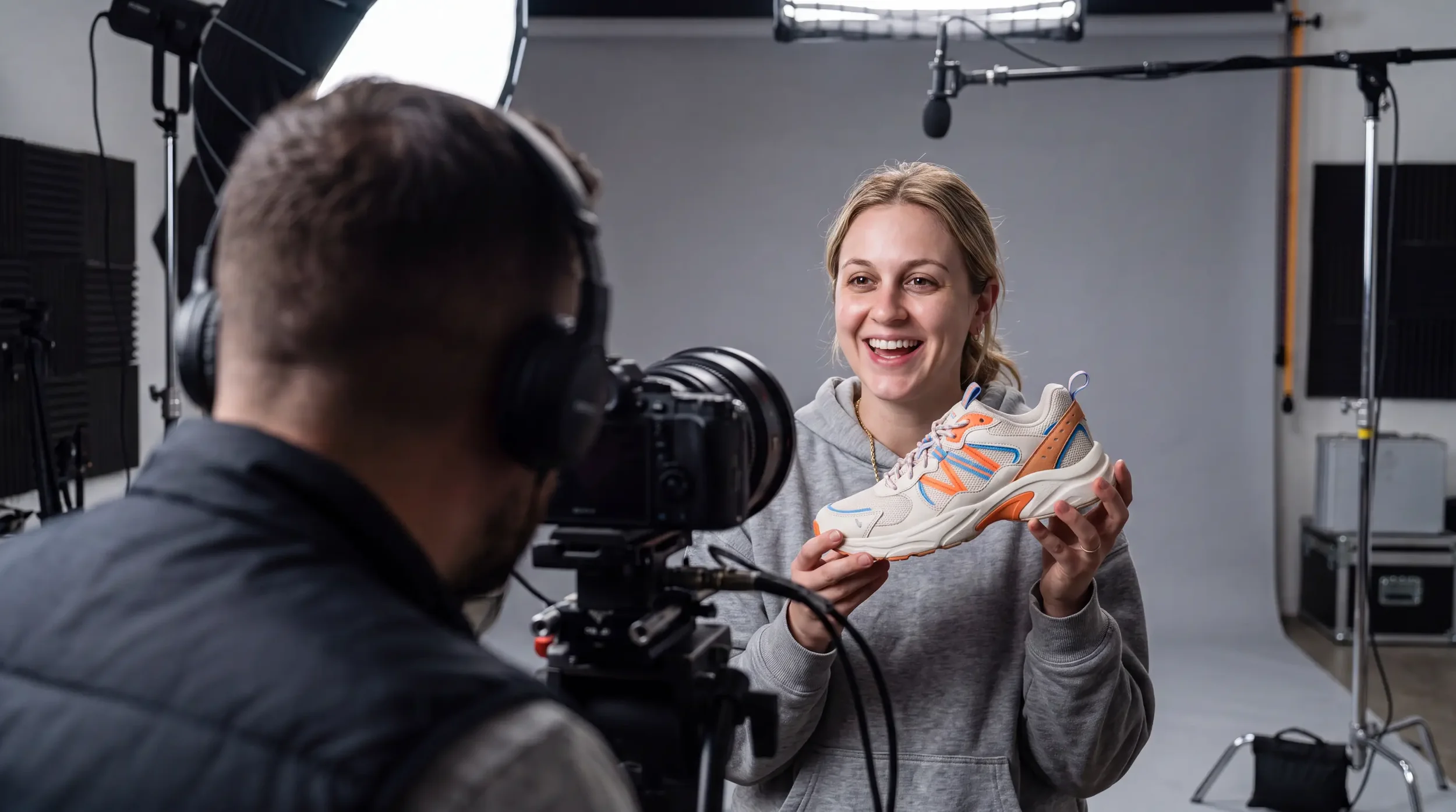
If you’re already working with a photographer for your brand’s other content, one option worth considering is looping them into your influencer campaigns too — rather than trusting each influencer to independently produce (or hire) someone for quality content. In practice, telling an influencer “book whoever you want to shoot this” rarely results in them actually spending real money on production; it’s more likely to get deprioritized. But if you tell them “we’ve got a photographer who already understands our brand, all you need to do is show up and be yourself,” you remove the guesswork and guarantee a usable result. A photographer with some business and marketing awareness — not just a good eye — makes a real difference here, because they’re thinking about how the content will actually convert, not just how it looks.
THE OTHER OPTION: SKIP THE INFLUENCER, KEEP THE AUTHENTICITY
There’s a second path worth considering, especially for surf, yoga, athletic, and lifestyle brands specifically: instead of hiring an influencer and hoping the content holds up, hire a photographer who already works inside the exact community you’re trying to reach.
I shoot regularly with real surfers, real athletes, and real yoga teachers around San Diego — people who may not have huge followings, but who are genuine users of the kind of products these brands sell. That gives you a different option entirely: instead of paying an influencer to produce their own content, you get cinematic, well-shot, authentic-feeling content featuring real community members — content built for your brand’s own channels, or shared in partnership with smaller creators I already have relationships with. You get the authenticity brands are chasing with UGC, without gambling on whether the person behind the camera actually knows how to shoot it well.
Running an influencer campaign that needs stronger production, or want to explore working directly with real athletes, surfers, or yogis in San Diego for your brand’s content? Reach out and let’s talk through what that could look like for your next campaign.